
Custom Battery Charger Design: Matching Voltage, Pins, and Protocols
A Complete Engineering Guide for OEM Buyers and Tool Brands
In today’s competitive power tool and battery market, off-the-shelf chargers are no longer enough. Brands, distributors, and industrial users increasingly require custom battery charger design to ensure:
Full compatibility with proprietary battery packs
Optimized charging performance
Enhanced safety and compliance
Stronger product differentiation
Choosing the right battery charger manufacturer is not just about production — it’s about engineering capability.
This guide explains how to design a custom battery charger by focusing on the three most critical elements:
Voltage Matching · Pin Structure · Charging Protocols
What Is Custom Battery Charger Design?
Custom battery charger design refers to the process of developing a charger tailored to a specific battery system, including:
Electrical parameters
Mechanical interface
Charging logic and control system
Unlike generic chargers, a custom solution ensures:
✔ Perfect battery compatibility
✔ Higher efficiency and performance
✔ Reduced failure rates
✔ Better brand control (OEM/ODM)
1. Voltage Matching: The Foundation of Compatibility
Understanding Battery Voltage Systems
Every battery pack has:
Nominal voltage
Maximum charging voltage
Safe operating range
For example:
18V Li-ion battery → typically charges up to 21V
20V MAX systems → similar architecture but different branding
Key Engineering Considerations
A professional battery charger manufacturer must ensure:
Accurate voltage regulation under load
Stable output across temperature variations
Fast response to voltage fluctuations
Common Mistakes
Using generic adapters with unstable output
Ignoring voltage tolerance margins
Overlooking peak load conditions
👉 Result: battery damage, overheating, or charging failure
2. Pin & Connector Design: The Physical Interface
Why Pin Design Is Critical
The connector is where electrical meets mechanical reality.
A poorly designed pin system leads to:
High contact resistance
Intermittent charging
Heat buildup
Customer complaints
Key Elements of Custom Pin Design
1. Pin Layout & Structure
Customized geometry for proprietary batteries
Anti-reverse insertion design
Secure locking mechanism
2. Contact Material & Coating
Copper alloy for conductivity
Gold or nickel plating for durability
3. Additional Functional Pins
Modern battery packs often include:
Temperature sensor pins
Data communication pins
Identification pins
Engineering Insight
A high-quality custom battery charger design ensures:
Not just “fit”, but stable, low-resistance, long-life connection under real usage conditions.
3. Charging Protocols & Algorithms
Beyond Power Delivery
A charger is not just a power supply — it is a controlled charging system.
Standard Charging Logic (Li-ion)
A typical lithium battery charging process includes:
Pre-charge (for deeply discharged cells)
Constant Current (CC)
Constant Voltage (CV)
Termination
Advanced Customization
A professional custom battery charger can include:
MCU-controlled charging logic
Battery identification and communication
Temperature-based dynamic adjustment
Smart charging cut-off
Why It Matters
Optimized charging protocols deliver:
⚡ Faster charging speed
🔋 Longer battery lifespan
🔥 Lower thermal stress
🛡️ Higher safety margin
4. Safety & Protection Design
A reliable charger must integrate multi-layer protection:
Over-voltage protection (OVP)
Over-current protection (OCP)
Over-temperature protection (OTP)
Short-circuit protection
Engineering Reality
Low-end chargers often fail due to:
Poor thermal design
Inaccurate sensing
Lack of real-time control
👉 This is where an experienced battery charger manufacturer makes a critical difference.
5. Thermal Management in Custom Charger Design
The Challenge
Higher power = more heat
Especially in:
Fast chargers
Multi-channel charging systems
Design Solutions
Optimized internal airflow
Heat sink integration
Smart thermal feedback control
High-efficiency power conversion
Real Customer Case
Case: North American Tool Brand (OEM Project)
Challenge:
The client needed a custom battery charger for a new 20V tool series but faced:
Inconsistent charging performance
Overheating during fast charging
Compatibility issues with existing battery packs
Our Solution:
As an experienced battery charger manufacturer, we delivered:
Full custom battery charger design
Redesigned pin & connector structure
Optimized CC/CV charging algorithm
Enhanced thermal layout
Certification-ready design (UL/CE)
Results:
🔻 Failure rate reduced by 40%
🔋 Improved battery lifespan
🚀 Faster market launch
📈 Stronger brand competitiveness
Apex Custom Charging Solutions
We provide AC/DC power adapters covering a voltage range of 12V–60V, which are widely used in scenarios such as electric tool base charging, battery charging systems, garden tools, industrial equipment, and more.
All adapters adopt high-efficiency power supply solutions, support plugs from multiple countries, and have passed rigorous safety and reliability tests.
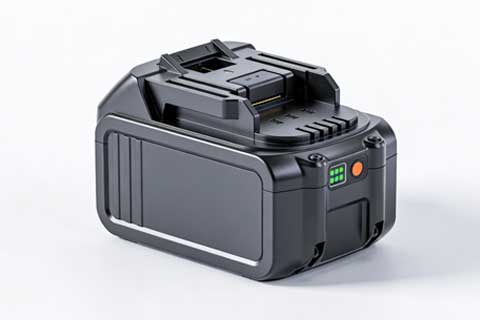
Lithium Power Tool Battery
·Capacity: 2.0Ah – 8.0Ah
·Cell Type: 18650 / 21700
·BMS: Full protection
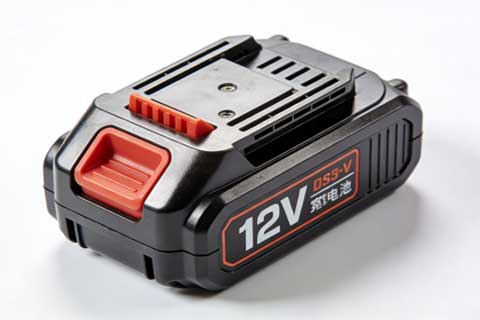
12V Compact Tool Battery
·Lightweight design
·Ideal for compact tools & DIY market
·Long cycle life
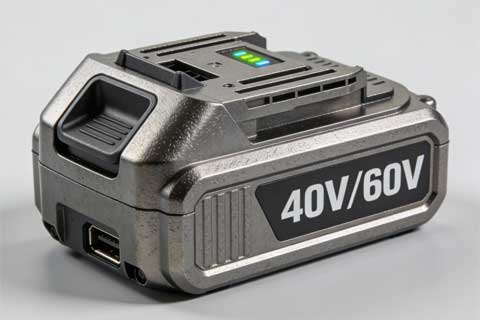
40V / 60V Outdoor Power Tool Battery
·High discharge current
·Enhanced cooling design
·For lawn mowers, chainsaws, trimmers
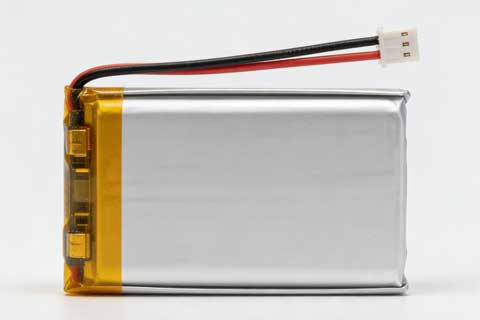
Replacement Battery Series
·100% fit replacement
·CE / RoHS compliant
·Retail packaging & barcode supported
FAQ – Custom Battery Charger Design
1. What is the most important factor in custom battery charger design?
Voltage matching is critical, but true compatibility depends on voltage + pins + charging protocols combined.
2. Can you design a charger for an existing battery pack?
Yes. We support:
Reverse engineering
Compatibility testing
Full custom design
3. How long does it take to develop a custom charger?
Typical timeline:
Design & evaluation: 2–4 weeks
Prototyping: 2–3 weeks
Testing & optimization: 2–4 weeks
4. Can you support certification (UL/CE)?
Yes. We design chargers to meet:
UL
CE
FCC
RoHS
5. What affects the cost of a custom battery charger?
Key factors:
Power rating
Complexity of charging algorithm
Connector design
Certification requirements
Conclusion
A successful custom battery charger design requires deep expertise in:
Electrical engineering
Mechanical design
Charging algorithms
Manufacturing consistency
For OEM buyers and brands, working with a professional battery charger manufacturer ensures:
Better compatibility, lower risk, and stronger market competitiveness.